Saturday, March 24, 2012

Taking Photographs

This week, we took photographs for our Anti-Bullying Poster Campaign.  We reviewed the slogans we came up with last week, and used them as a guide for our photographs.  Students broke up into groups, as we to share three digital cameras.  Mrs. Luker and I went over what makes a good photograph.  We don't want to take "snapshots".  We are looking for interesting angles, closeups, and good compositions.  This allowed each of the students to take a turn using the camera and learning how to take good pictures and take turns being in the photographs themselves.

Mrs. Luker helping students with a photograph

Students taking a photograph in the school hall
Next week, we'll print out 8x10 copies of these photographs to help us decide which photographs we want to use, where and if they need to be cropped, where the text will go.  See you then!

Monday, March 19, 2012

Anti-Bullying Advertising Campaign

Barbar Kruger
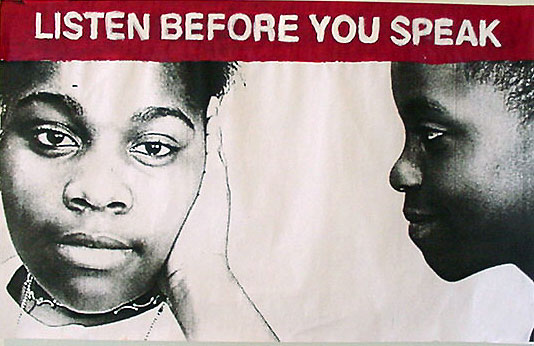
We started a new digital/graphic design project this week.  To begin, we viewed a PowerPoint presentation to give us an overview of the artist we are studying as well as some student examples from Oliva Gude's Spiral Curriculum for high school age students.  Olivia Gude is an art educator in the Chicago area and was recently in Columbus.  Mrs. Luker and I attended a lecture of hers at Ohio State a few weeks ago and this was one of the projects that she talked about.  We both thought it would be a great project for the Art Enrichment students.  Obviously our demographics are different from inner city Chicago so we are making this project our own by coming up with an anti-bullying campaign for K-4th graders.  When completed, we will hang our posters in the halls of the school.

Student Work from Olivia Gude's Spiral Curriculum


We also talked about the work of Barbara Kruger, as we plan on making our posters in the style of her work.  Big, bold black and white photographs along with red and white type.  Short statements for big impact.

We began by talking about everyday advertisements and how they are designed.  Large pictures or graphics grab the attention of the viewer.  We talked about slogans and how they are usually short statements, no longer than 4 or 5 words.  To begin, we wrote sentences about bullying.  We wanted our message to be a positive one.  Not "Don't ____" but instead, giving the viewer something they can DO.  Here are some of the slogans that we've come up with so far: 

Be a friend (not a bully)
Stand up for yourself
Be peaceful
Tell somebody
Talk (it through)
Need a helping hand
Make a new friend
(Everyone) join together
Don't exclude... INCLUDE
Help a friend
Play with everyone
We're all friends
Everyone plays
Nobody's perfect
Let in not out

Aren't those great?  Once we got going, the slogans seemed to get better and better. 

Next time we meet, we'll start taking photographs to use with those slogans.  

Wednesday, March 14, 2012

We Finished the Sculptures!

Last week, most of us stayed a bit late and finished our labor intensive sculptures.  It was a lot of hard work, but I think they look great!  Here are a few examples.  All of the sculptures will be on display in the cases in the school hallway.


Tuesday, February 28, 2012

Sculptures...They Are Time Consuming!

I can't believe it, but it's been a month since I last posted here!  Long story short, we've been working on our found object sculptures which turned out to be a much more time consuming project than we anticipated.  After we built the wire armature, we covered our sculptures with foil to give them form.


Some students were ready to start painting their sculptures with acrylic black or bronze paint.

We used paint as a way to cover the foil with a solid color and also give our sculptures a way to bond the glue to the found objects we are gluing on.


Once the paint was dry, it was time to start adding objects:


So.... the kids are gluing objects on their sculptures... what are they learning? And what does it mean?

 Well, for one thing we've been talking about the human impact on our earth and how much "stuff" we all have and how much we throw away.  We've been discussed some artists who deal with what is called "post consumer art".   These artists don't just throw a bunch of junk together and call it art.  There is intent behind the objects they've chosen.  Each of these objects has a color, form, shape, and/or representation from its context.  All of these things bring meaning and aesthetics to these sculptures.  

We've told students not to buy anything for their sculptures. These objects are things that would be thrown out or are extra things you've had lying around the house.  We are going to work on these projects for one more week, and then move on to something different:  a digital graphic design poster project.


Art Enrichments Students Art Walk!

The Art Enrichment Students have been hard at work over the past few months.  Now the fruits of their labor is on display for the public right here in Plain City!  

Our snowmen collages are on display in the window of MainStreet Treasures:


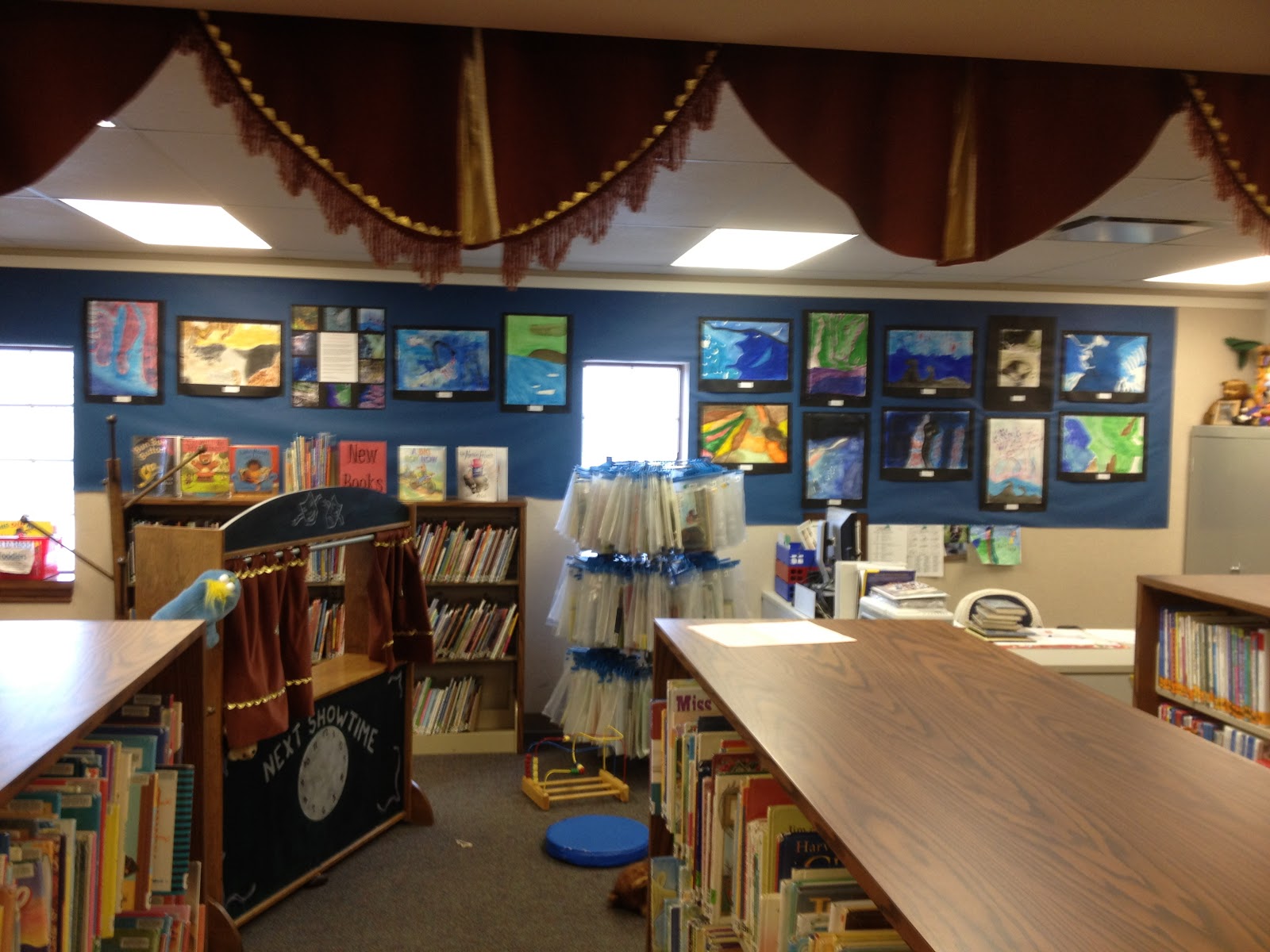
And, our watercolor landscape paintings are at the Plain City Public Library:


Special thanks to both MainStreet Treasures and the Plain City Public Library for allowing us to show the Art Enrichment student work there!


Wednesday, January 25, 2012

Found Object Sculpture

Robert Bradford
Yesterday, we started a new project.  I began by presenting a powerpoint.  We discussed how artists began to push the boundaries of what was considered art at the time of the early 20th Century.  The 1918 Armory Show changed everything.  Marcel Duchamp rocked the art world by presenting The Fountain, which as a urinal at the Alfred Stegleiz's gallery, 291.  I wanted the students to start thinking about pushing boundaries of their own.  I moved on to talk about artists like Andy Warhol and Natalie Viecili who use themes of consumerism in their work.  They elevate common objects such as Campbell's Tomato Soup cans and McDonald's french fry containers as art.  What message are they sending?

Art often reflects what is going on in contemporary culture.  These artists were challenging ideas about art and also making a commentary of American consumerism.  We also talked about artists using found objects in their work.  I also showed them a slide of HA Schult's work, Trash People which is a travelling installation consisting of figures composed of trash.  I asked the students if they had ever been to see the dancing rabbit sculptures in Dublin.  Most had seen it and could describe the many objects they saw enmeshed in the cast iron.

Then we moved on to talk about Robert Bradford, a British artist who created sculptures created from small plastic objects and toys.  We looked at his sculptures in detail to see how the different parts made up the whole composition.  Color, texture, and object choice are intentional in his work.

Then, we started on the wire base or armature of our sculptures:


We'll continue working on the bases for these sculptures next week.  Additionally, you should have received an email from Mrs. Luker asking for small plastic items to be brought in for these sculptures.  See you next week!

Colorful Snowmen

I know... this winter has pretty much been a dud snow-wise!  Last week we did a short in between project so that some kids could finish up their watercolor paintings and the ones that were finished would have something creative to do.  I gave each student a white snowman cutout and materials such as decorative paper, magazines, pastels and watercolor to create an artwork.  

The challenge was, not to make it look like a traditional snowman.  Instead, it had to be an original mixed media collage.  

Instead of looking at the magazine pages as photos, we looked at them as color and texture.  Some kids were drawn to the photos as well, and I thought they integrated well into the finished collages. 

Look for these in the window of MainStreet Treasures in the next week!